Physical Address
304 North Cardinal St.
Dorchester Center, MA 02124
Physical Address
304 North Cardinal St.
Dorchester Center, MA 02124

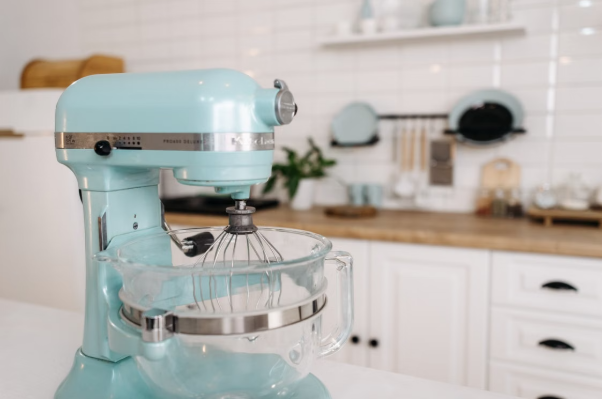
Baking often looks simple from the outside. Mix the ingredients, prepare the dough or batter, place everything in the oven and wait for the result. In practice, many recipes involve considerable mixing, kneading or whisking, especially when you are preparing larger quantities or working with heavier doughs.
This is where an electric stand mixer becomes useful. Unlike a handheld mixer, a stand mixer stays in place while the motor turns the attachment. You can add ingredients, prepare other parts of a recipe and monitor the mixture without having to hold the appliance throughout the process.
An electric stand mixer combines a motor, mixing bowl and interchangeable attachments into one appliance. The bowl sits beneath the mixing mechanism, while the selected attachment rotates through the ingredients.
Most models include several common attachments designed for different tasks. A flat beater is generally used for mixtures such as cake batter, biscuit dough and buttercream. A whisk is suited to lighter mixtures where air needs to be incorporated, while a dough hook is designed for kneading yeast-based dough.
The exact attachments and controls differ between models. Some mixers offer several speed settings, while others provide more precise control for recipes requiring gradual changes in mixing speed.
Bread dough is one of the tasks where a stand mixer can make a noticeable difference.
Kneading dough by hand requires repeated stretching and folding. Depending on the recipe, the process can take a significant amount of time and physical effort. A suitable stand mixer with a dough hook handles much of this repetitive work.
The motor and transmission need to be capable of handling heavier mixtures, though. A mixer designed primarily for light cake batter is not necessarily the right choice for frequent bread making.
If you regularly prepare pizza dough, enriched bread or other heavy mixtures, check the manufacturer’s recommended capacity and intended use. Overloading the bowl can put unnecessary strain on the motor and affect mixing performance.
Consistency is another reason bakers choose stand mixers. Manual mixing depends heavily on how long and how vigorously you mix the ingredients. An electric mixer provides more consistent movement throughout the process.
This does not mean every recipe should be mixed for as long as possible. Overmixing can affect certain batters and doughs, so following the recipe remains important.
A stand mixer simply makes it easier to maintain the required mixing speed without becoming physically tired. For recipes involving several minutes of beating or kneading, this can make the preparation process more comfortable.
Speed control also matters. A low setting is useful when combining dry and wet ingredients without sending flour around the kitchen, while higher speeds are generally used for tasks such as whipping cream or egg whites.
The name stand mixer often brings cakes and bread to mind, but the appliance can handle a wider range of baking tasks.
Depending on the model and attachment, you might use it to prepare cookie dough, meringue, whipped cream, frosting, pastry mixtures and other recipes.
Some manufacturers also offer optional attachments for tasks outside traditional baking. These might include food preparation functions such as grinding or pasta making. Whether these accessories are worthwhile depends on how often you expect to use them.
The size of the mixing bowl is another practical consideration. A larger bowl gives you more room for bigger batches, but bigger is not automatically better for every baker.
If you usually prepare small batches of cookies or cakes, a very large bowl might be inconvenient for recipes involving small quantities. The attachment needs to reach the ingredients properly for effective mixing.
On the other hand, people who regularly bake for families, events or customers might appreciate the additional capacity.
Look at the manufacturer’s recommended ingredient capacities rather than relying solely on the bowl’s total volume. A bowl might hold a certain amount physically, but the recommended quantity for dough or other heavy mixtures could be lower.
Motor wattage often receives considerable attention when people compare electric stand mixers. It is useful information, but it should not be the only specification you consider.
The way a mixer transfers motor power to the attachment also influences performance. Gear design, construction, speed control and the manufacturer’s intended use all matter.
A mixer with a high wattage figure is not automatically the best option for every kitchen. Think about the recipes you make most often and the quantities involved.
A person who mainly prepares sponge cakes and whipped mixtures has different requirements from someone who kneads heavy bread dough several times a week.
Stand mixers are larger than handheld mixers, so the physical size of the appliance deserves consideration before buying.
If you have enough counter space and use the mixer frequently, keeping it readily accessible can make sense. A heavy appliance that needs to be lifted from a cupboard every time you bake might be less convenient in everyday use.
Consider the height as well as the footprint. A mixer might fit comfortably on a worktop but still create problems if overhead cabinets limit how easily the head can be raised or attachments changed.
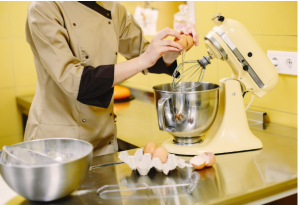
Convenience also depends on how easy the mixer is to clean.
The mixing bowl and attachments usually require cleaning after use, while the main motor housing should be wiped according to the manufacturer’s instructions. Flour, butter and batter can collect around attachment points or controls, so regular cleaning helps keep the appliance in good condition.
Check whether the attachments are suitable for dishwasher cleaning if this is important to you. Some parts are designed for dishwasher use, while others require hand washing.
The bowl and attachments should also be completely dry before storage to prevent unwanted moisture from remaining in enclosed areas.
Think about your usual recipes first. If cakes and cookies make up most of your baking, prioritise a mixer that handles lighter mixtures well and offers useful speed control.
If bread is a major part of your routine, pay closer attention to dough capacity, construction and the manufacturer’s guidance for heavy mixtures.
Noise is another consideration. Electric motors and mechanical components produce sound, and some mixers are noticeably louder than others. If the appliance will be used frequently in an open-plan kitchen, this might influence your choice.
The bowl design, attachment-changing mechanism and ease of cleaning also affect everyday convenience. These details might seem minor when comparing specifications, but they become more noticeable after repeated use.
An electric stand mixer is useful because it takes much of the repetitive effort out of baking. Instead of holding a mixer throughout the preparation process, you can let the appliance handle the mixing while you focus on measuring ingredients, preparing tins or working on the next step.
The right model depends on how you bake. Cakes, cookies, bread and larger batches place different demands on a mixer, so bowl capacity, attachments, motor performance, speed control, cleaning and counter space all deserve consideration.