Physical Address
304 North Cardinal St.
Dorchester Center, MA 02124
Physical Address
304 North Cardinal St.
Dorchester Center, MA 02124

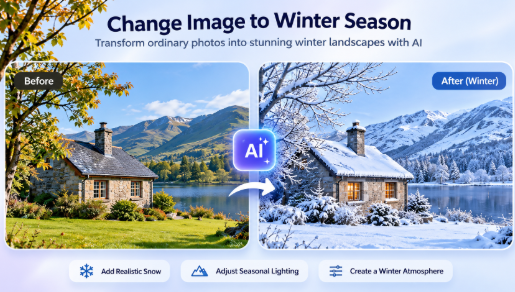
Winter has a distinctive visual charm that can completely transform the atmosphere of an image. Snow-covered trees, frost-coated rooftops, misty horizons, and soft seasonal lighting create a sense of tranquillity that appeals to photographers, digital artists, content creators, and marketing professionals alike. However, capturing the perfect winter photograph is not always possible, particularly for people living in warmer climates or working with images taken during different seasons.
Advancements in artificial intelligence have introduced new possibilities for seasonal photo editing. Instead of relying on complicated editing techniques, users can now transform ordinary photographs into convincing winter scenes using intelligent image-processing technology. These developments are making creative photography more accessible while expanding the possibilities of digital visual storytelling.
Traditional photo editing requires considerable time, patience, and technical expertise. Creating a realistic winter landscape from a summer photograph might involve manually adding snow, adjusting colour temperatures, modifying shadows, masking objects, and replacing environmental elements.
Artificial intelligence simplifies many of these processes by analysing the visual characteristics of an image and applying contextually appropriate changes. Using an online tool to change image to winter season allows users to explore seasonal transformations without spending hours manually editing individual elements.
Rather than simply applying a conventional filter, AI-powered editing can modify multiple environmental characteristics simultaneously. It can introduce snow-covered surfaces, cooler atmospheric tones, and winter-inspired textures while attempting to preserve the original composition of the photograph.
This technology is particularly useful for individuals and businesses that require seasonal imagery but have limited access to professional photography resources.
Artificial intelligence uses machine learning and computer vision to understand and modify digital images. These technologies enable editing systems to recognise objects, identify environmental features, and generate visual changes based on patterns learned during training.
When transforming an image into a winter scene, an AI system may analyse different components, including buildings, vegetation, roads, mountains, skies, and surrounding landscapes. It then attempts to introduce seasonal details that correspond with the existing environment.
For example, green grass may become covered in snow, leafy trees may develop frost-covered branches, and warm sunlight may be replaced with softer, cooler illumination. Buildings can appear to have snow-covered rooftops, while distant landscapes may develop atmospheric winter haze.
More advanced image-generation systems also consider perspective, depth, and lighting relationships. Snow appearing on horizontal surfaces should behave differently from snow appearing on vertical walls. Similarly, shadows and reflections should remain consistent with the modified environment.
Although results vary depending on the quality of the original image and the capabilities of the editing system, these technologies continue to expand what users can accomplish with digital photographs.
Winter imagery possesses a unique aesthetic that distinguishes it from photographs captured during other seasons. Its relatively subdued colour palette often creates a clean, balanced, and emotionally engaging composition.
Snow can simplify visually complicated environments by covering distracting textures and introducing smooth surfaces. This allows viewers to focus more easily on important subjects, architectural features, or natural formations within an image.
Winter scenes also evoke a wide range of emotions. A snow-covered forest may communicate peace and isolation, while a warmly illuminated cabin surrounded by snow can suggest comfort and nostalgia. Urban winter landscapes may create feelings of excitement, celebration, or seasonal anticipation.
These emotional associations make winter photography valuable across numerous creative industries. Publishers, advertisers, filmmakers, travel companies, and social media creators frequently incorporate winter aesthetics into their visual campaigns.
AI-powered transformations make it possible to experiment with these emotional qualities without being restricted by geographical location, weather conditions, or seasonal availability.
Seasonal image editing offers far more than personal entertainment. Its applications extend across digital marketing, photography, entertainment, publishing, and visual design.
Social media creators can transform existing photographs into winter-themed content that aligns with holiday campaigns or seasonal storytelling. Instead of organising an entirely new photoshoot, they can experiment with different visual interpretations of previously captured images.
E-commerce businesses can create winter-inspired promotional backgrounds for seasonal products. Clothing, home décor, accessories, and lifestyle products can be presented within visually appropriate environments, provided that the actual product remains accurately represented.
Graphic designers can develop winter-themed posters, greeting cards, website banners, digital invitations, and advertising materials. Seasonal transformations can also help establish consistent visual identities across multiple campaign assets.
Authors and publishers may use winter-inspired imagery for promotional graphics, fictional world-building, book trailers, and atmospheric cover concepts. Similarly, filmmakers and concept artists can experiment with seasonal environments during the early stages of visual development.
For personal users, the technology provides an opportunity to reimagine familiar places. A photograph of a childhood home, favourite park, or memorable travel destination can take on an entirely different atmosphere when presented as a winter landscape.
The quality of an AI-generated winter transformation often depends on the original photograph. While many images can be modified successfully, certain compositions are naturally better suited to seasonal changes.
Outdoor landscapes containing mountains, forests, streets, houses, and open spaces generally provide strong foundations because they contain environmental features commonly associated with winter.
High-resolution photographs are preferable because they preserve important details and give editing systems more visual information to work with. Clear lighting, sharp subjects, and balanced compositions can also contribute to more convincing transformations.
Images containing excessive visual clutter, strong motion blur, or heavily compressed details may produce less consistent results. Complicated reflections, overlapping objects, and unusual lighting conditions can also present challenges.
It is important to consider the intended atmosphere before selecting an image. A photograph taken during golden hour might be suitable for a warm winter sunset, while an overcast landscape could work particularly well for a quiet, snowy environment.
Selecting an appropriate starting image can improve the final result considerably and reduce the need for additional editing.
One of the most important aspects of seasonal photo editing is understanding how colour and light influence realism. Adding snow alone does not necessarily make an image look convincingly winter-like.
Winter photographs often feature cooler colour temperatures, including soft blues, muted greys, and neutral whites. However, realistic winter imagery does not always require eliminating warm colours entirely.
Warm sunlight, illuminated windows, streetlights, and colourful clothing can create attractive contrasts against cooler surroundings. These contrasts introduce visual depth and make winter scenes feel more natural.
Lighting consistency is equally important. Snow reflects considerable amounts of light, which can brighten surrounding objects and soften certain shadows. An effective winter transformation should account for these relationships rather than simply placing white textures over an existing image.
Atmospheric details such as subtle fog, reduced background saturation, and distant haze can further enhance the appearance of cold weather. When applied carefully, these elements create depth without overwhelming the original subject.
The most successful transformations often rely on balanced adjustments rather than exaggerated effects.
Traditional photo manipulation remains a valuable skill for photographers and graphic designers. It offers detailed control over individual elements and allows professionals to create highly customised compositions.
However, manually transforming an entire landscape into a different season can be a demanding process. Artists may need to combine multiple photographic assets, create complex selections, adjust textures, and carefully match lighting conditions.
AI-powered tools provide an alternative approach by automating parts of this workflow. Users can generate seasonal concepts quickly and explore several visual possibilities without starting each composition from scratch.
This does not mean artificial intelligence eliminates the need for traditional editing. Generated images may contain inconsistent textures, unnatural reflections, distorted details, or environmental changes that require correction.
A combination of AI-assisted transformation and conventional editing can often produce stronger results. Artificial intelligence can establish the initial seasonal appearance, while manual adjustments can refine important details and improve visual consistency.
For creative professionals, this hybrid approach offers a practical balance between efficiency and artistic control.
Seasonal marketing relies heavily on visuals that connect with audiences at relevant moments throughout the year. Winter campaigns frequently incorporate imagery associated with snowfall, festive celebrations, cosy interiors, cold-weather fashion, and year-end activities.
Businesses that maintain a consistent seasonal visual identity can create more cohesive websites, advertising materials, and social media feeds. However, producing entirely new photographic assets for every campaign can increase costs and require significant planning.
AI-assisted seasonal editing provides an opportunity to repurpose existing visual materials. A previously photographed outdoor location could be adapted for a winter campaign, while a lifestyle image might be given a colder atmospheric setting to complement seasonal messaging.
Nevertheless, businesses should use these transformations responsibly. Product colours, important physical features, property conditions, and other factual details should not be misrepresented through artificial editing.
When used appropriately, seasonal image transformation can support creative experimentation while maintaining the accuracy and credibility of marketing materials.
Although artificial intelligence can simplify seasonal photo editing, users should still carefully evaluate generated results.
One common mistake is introducing excessive snowfall. Heavy snow effects can obscure important subjects, reduce image clarity, and make the composition appear unnecessarily artificial.
Another issue is applying overly aggressive blue colour tones. While cooler colours are associated with winter, excessive blue saturation can make skin tones, buildings, and natural objects look unrealistic.
Users should also inspect how snow interacts with environmental surfaces. Snow accumulation should appear reasonably consistent across rooftops, roads, tree branches, and other exposed areas.
Human subjects require particular attention. Facial features, hands, clothing, and body proportions should remain consistent with the original photograph unless intentional changes are required.
Background objects, text, signs, and architectural details should also be reviewed for unintended distortions.
Careful inspection and minor refinements can significantly improve the professional quality of a transformed image.
As AI-generated imagery becomes increasingly realistic, transparency and responsible usage are becoming more important.
Creative seasonal transformations are generally appropriate for artistic projects, fictional storytelling, entertainment, and conceptual marketing. However, artificially modified photographs should not be presented as authentic documentation of actual weather conditions or real-world events.
For example, a digitally generated snowy landscape should not be used as evidence of current snowfall at a travel destination. Similarly, news organisations and documentary photographers must maintain clear distinctions between authentic photographs and digitally altered visuals.
Users should also ensure that they have permission to edit and distribute photographs belonging to other individuals or organisations. Copyright ownership, privacy considerations, and publication rights remain relevant regardless of the editing technology being used.
Responsible practices help preserve audience trust while allowing creators to benefit from the artistic possibilities of artificial intelligence.
The future of AI image editing is likely to involve increasingly precise environmental transformations and more personalised creative controls.
As image-generation systems develop, users may gain greater control over snow accumulation, weather intensity, atmospheric visibility, lighting conditions, and seasonal colour palettes.
Improved object recognition could help preserve complex architectural features and human subjects more accurately. Enhanced contextual understanding may also enable editing systems to distinguish between different types of winter environments, from lightly frosted countryside landscapes to dramatic alpine snowstorms.
Seasonal transformation technology may also become more closely integrated with video editing, animation, virtual environments, and immersive digital experiences. This could allow creators to transform entire sequences rather than individual photographs.
These developments have the potential to make sophisticated visual production more accessible to independent creators, small businesses, educational institutions, and professional design teams.
However, human creativity will remain essential. Technology can generate visual possibilities, but artistic judgement determines how those possibilities are used to communicate meaningful ideas.
AI-powered winter image transformation represents an exciting development in digital photography and creative technology. By combining computer vision, machine learning, and intelligent image generation, modern editing systems allow users to explore seasonal aesthetics without depending entirely on weather conditions or complex manual techniques.
From social media content and marketing campaigns to personal photography and fictional storytelling, winter transformations offer numerous opportunities for visual experimentation.
The key to achieving impressive results lies in choosing suitable photographs, maintaining realistic lighting, preserving important details, and avoiding excessive visual effects. Combining artificial intelligence with thoughtful creative decisions can produce compelling imagery that feels both imaginative and visually coherent.
As digital editing technology continues to evolve, the ability to reimagine familiar environments across different seasons will become an increasingly valuable resource for photographers, designers, businesses, and everyday users.