Physical Address
304 North Cardinal St.
Dorchester Center, MA 02124
Physical Address
304 North Cardinal St.
Dorchester Center, MA 02124

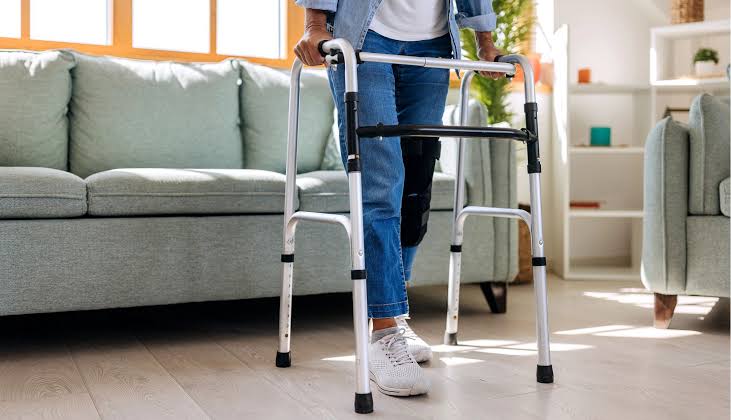
Accidental falls represent the primary cause of both fatal and non-fatal injuries among older adults, often leading to hip fractures, head trauma, and an abrupt loss of personal independence. Many homeowners assume that falls stem purely from biological aging, such as muscle weakness or balance issues. In reality, most domestic falls occur when minor physical limitations interact with hazardous home environments. Slippery floor surfaces, dim lighting, high door thresholds, and steep stairs create hazards that can trip an older adult in a split second. By upgrading flooring, improving lighting, and securing stairs, you can protect aging loved ones and keep the home safe for years to come.
The ground beneath our feet dictates how securely our shoes and slippers grip the walking surface. Replacing slick materials with high-traction alternatives prevents accidents before they occur.
Polished marble, glazed ceramic tiles, and glossy hardwood floors become dangerously slick when wet or walked on with socks. Replace slick finishes with matte-finish luxury vinyl planks or textured porcelain tiles that carry a high wet dynamic coefficient of friction. Where different flooring materials meet, use flush, beveled transition strips, ensuring the height change never exceeds one-quarter inch.
While soft carpeting cushions falls, thick high-pile carpets and loose shag rugs can catch the rubber tips of walkers and cane bases, throwing seniors off balance. Remove all decorative throw rugs from kitchens, hallways, and entryways. If wall-to-wall carpeting is preferred in bedrooms, choose dense, low-profile commercial weave carpeting measuring less than one-half inch in thickness, glued securely over firm, high-density padding.
As the human eye ages, the pupil shrinks, the lens yellows, and the eye requires three to four times more light to see clearly than it did in young adulthood. Dimly lit rooms disguise floor obstacles, making falls far more likely.
Relying on a single ceiling light fixture creates dark shadows behind furniture where floor hazards can hide. Install a balanced grid of recessed, dimmable LED ceiling downlights spaced evenly across hallways and living areas. Use light fixtures with a warm color temperature of 3000K, which provides bright, clear light without the harsh glare of cool bulbs that can disorient aging eyes.
Many falls happen when seniors get up to use the bathroom in the middle of the night. Sleepiness and low light make nighttime navigation dangerous. Install motion-sensor nightlights along baseboards leading from bedroom pillows down hallways directly to the bathroom toilet. As soon as feet touch the floor, soft ground-level light illuminates the path without waking partners.
Staircases pose the highest risk of catastrophic fall injuries in multi-level homes. Upgrading stairway design provides essential support for aging balance.
For many seniors with severe osteoarthritis, cardiovascular challenges, or spinal stenosis, climbing stairs becomes physically impossible. In multi-level properties, installing residential elevators in Reno, NV provides a smooth transit alternative that bypasses stairs entirely. Seniors can move freely between levels with confidence, removing the threat of stairway falls and allowing them to live safely in their homes for the long term.
Thoughtfully placed support structures throughout living areas provide balance assistance without giving the home an institutional look.
In expansive floor plans, walking down long hallways can be tiring for seniors with limited stamina. Place a sturdy wooden bench or a firmly upholstered occasional chair midway along lengthy corridors. This simple addition gives older adults a safe, convenient spot to rest their legs and catch their breath before walking onward.
Keep daily walking paths clear of clutter. Install wall-mounted hooks for walking canes near reading chairs and entry doors so mobility aids never fall to the floor where they become tripping hazards. Move electric cords behind furniture and secure low storage chests against walls to keep walking paths completely open.